
.png)

Florida Hurricane Preparedness Guide | Pasco & Pinellas Storm Center

Hurricane preparedness tips, emergency planning, flood safety, evacuation resources, and storm recovery guidance for Pasco County, Pinellas County, and the Tampa Bay area.
Living in Florida means hurricane season is something every homeowner, renter, family, and business should take seriously.
Storms can strengthen quickly, store shelves can empty fast, gas stations can run out of fuel, and supplies become harder to find the closer a storm gets.
The Atlantic hurricane season runs from June 1 through November 30, and every year storms are given names from the official rotating hurricane name list.
Even a tropical storm can cause flooding, wind damage, prolonged power outages, fallen trees, and dangerous conditions throughout Pasco County, Pinellas County, and the Tampa Bay area.
The best time to prepare is before a storm is headed your way.
Why Early Preparation Matters
When a storm is approaching, everyone is suddenly looking for the same things:
-
bottled water
-
batteries
-
flashlights
-
plywood
-
propane
-
generators
-
fuel
-
sandbags
-
pet supplies
-
medications
That means shortages happen fast.
Preparing early helps you avoid long lines, empty shelves, stress, and last-minute panic.

Emergency Supply Checklist
A few days without power can become very uncomfortable very quickly.
Recommended storm supplies:
✅ Bottled water (at least one gallon per person per day)
✅ Non-perishable food
✅ Manual can opener
✅ Flashlights
✅ Extra batteries
✅ Solar-powered lights or solar garden lights (great backup lighting when power is out)
✅ Battery-powered weather radio
✅ Portable phone chargers / battery banks
✅ Paper Plates & Plastic Utensils
✅ Prescription medications
✅ First aid kit
✅ Toiletries
✅ Trash bags
✅ Pet food and supplies
✅ Baby supplies
✅ Blankets
✅Cleaning Supplies
✅ Cash - (ATM's and card systems may be down)
✅ Extra Clothing
✅ Fuel for generators (stored safely)
✅ Ice
✅ Coolers
✅ Important documents in waterproof storage
✅ Important documents in waterproof containers
Stock Up on Water Early
Water disappears quickly before a storm.
You need water for:
-
drinking
-
pets
-
cooking
-
hygiene
-
brushing teeth
-
limited cleaning
Water service can also be disrupted depending on storm damage.
Don’t wait until the last minute.
Propane, Grills & Cooking During Power Outages
If power is out for several days, refrigerated food may spoil quickly.
Having propane for an outdoor grill can be incredibly helpful for cooking meals.
Important reminders:
✔ Check propane tanks early
✔ Never use grills indoors
✔ Never use charcoal grills inside garages or enclosed spaces
Carbon monoxide kills.
Prepare Your Home Before the Storm
Taking a few simple steps early can help reduce damage and make recovery easier.
Home preparation tips:
• Bring patio furniture indoors
• Secure or remove loose outdoor decorations
• Trim weak tree branches
• Clear gutters and drains
• Test flashlights and batteries
• Charge all phones, tablets, and power banks
• Fill your vehicle with fuel early
• Move valuable items away from windows
• Review your homeowners or renters insurance policy
• Take photos of your property for documentation
• Protect important paperwork in waterproof containers
If you use shutters or window protection, make sure supplies are ready before storm watches are issued.
Boarding Up Windows & Protecting Your Home
Plywood becomes hard to find quickly before major storms.
If you may need window protection:
-
buy plywood early
-
know your window measurements
-
have mounting hardware ready
-
secure loose outdoor items
-
bring patio furniture indoors
Flying debris causes major damage.

Sandbags & Flood Protection

Flooding is often one of the biggest storm threats in Florida.
Sandbags may help reduce minor water intrusion around vulnerable areas like:
-
garage doors
-
door thresholds
-
low entry points
Local governments often provide sandbag distribution before storms.
Pasco County Emergency Resources
For Pasco County, the best official source is the county emergency management site.
Use:
Pasco County Emergency Management
and
Pasco County Government Emergency Resources
Pasco typically announces sandbag locations when a storm threat is approaching, but they have commonly used self-serve locations like:
📍 Pasco County Public Works (C-Barn)
30908 Warder Road, San Antonio
📍 Magnolia Valley Golf Course
7223 Massachusetts Ave, New Port Richey
Sometimes additional temporary sites open depending on the storm, such as Hudson or Zephyrhills locations.

Pinellas County Emergency Resources
Pinellas County Emergency Management
and
Pinellas County Government Emergency Resources
Pinellas County typically announces sandbag distribution locations when a tropical storm or hurricane threatens the area. Unlike some counties with permanent self-serve sites, Pinellas often opens temporary community sandbag locations based on the specific storm threat.
Common Pinellas County sandbag distribution locations have included:
📍 Walsingham Park
12615 102nd Ave, Largo
📍 John Chesnut Sr. Park
2200 East Lake Rd S, Palm Harbor
📍 Lealman Exchange
5175 45th St N, St. Petersburg
📍 Taylor Park
1100 8th Ave SW, Largo
Additional temporary sites may open depending on the storm, including locations in Clearwater, St. Petersburg, Seminole, and other Pinellas communities.
For the most current updates, residents should always check official county emergency management resources as storm response locations can change quickly.

Know Your Evacuation Zone
Do not wait until a storm is already approaching.
Know:
✔ your evacuation zone
✔ your route
✔ where you will go
✔ pet-friendly options
✔ shelter locations


%20%E2%80%94%20Scaled%20(12.png)
Flood Water Is Extremely Dangerous
Never drive through flood water.
Never walk through flood water.
Flood water may contain:
⚠ sewage
⚠ fuel
⚠ oil
⚠ chemicals
⚠ bacteria
⚠ sharp debris
⚠ hidden holes
⚠ displaced wildlife
⚠ live electrical hazards
Just a small amount of moving water can move a vehicle.
If you can’t see the road underneath the water—do NOT drive through it.

Water Intrusion Happens Fast
Homes can take on water much faster than people realize.
A few inches of flood water can quickly damage:
-
drywall
-
flooring
-
baseboards
-
cabinetry
-
electrical systems
-
furniture
-
rugs
-
personal belongings
The longer contaminated water sits, the worse the damage becomes.
Electrical Safety During Flooding
Water and electricity are an extremely dangerous combination.
If flooding threatens your home:
If safe to do BEFORE water reaches outlets or electrical systems:
✔ shut off power at the breaker panel
NEVER:
❌ stand in water to do this
❌ touch wet electrical equipment
❌ assume power lines are safe
If unsure, call professionals.
What Happens When Flood Water Gets Inside
Flood water is often considered contaminated water.
That means contents exposed to storm flooding may also become contaminated.
This can affect:
-
carpet
-
padding
-
upholstered furniture
-
mattresses
-
fabrics
-
paper goods
-
insulation
-
porous materials
The faster action is taken, the better—but many porous items exposed to contaminated flood water may need professional evaluation or disposal.
Many storm-related injuries and property losses happen because of flooding—not wind.
Even tropical storms can bring significant rainfall, storm surge, and dangerous flood conditions.
Important reminders:
• Never drive through flooded roadways
• Just a small amount of moving water can sweep vehicles away
• Avoid walking through flood water
• Flood water may contain sewage, chemicals, debris, or electrical hazards
• Know if your property is in a flood-prone area
Move Important Items Up High
If flooding is possible:
Move valuable items upward.
Helpful ideas:
-
place dresser drawers on top of furniture
-
move clothing upward
-
lift electronics
-
protect photos and documents
-
move keepsakes to higher shelves
-
relocate valuables upstairs if possible
Small actions can save major losses.
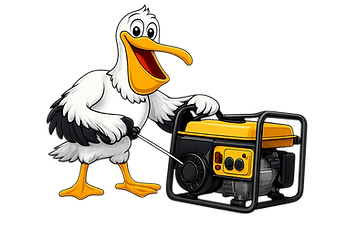
Generator Safety
Generators save food and improve comfort—but misuse can kill.
Generator rules:
⚠ Never indoors
⚠ Never in garages
⚠ Never near windows or doors
⚠ Keep away from living spaces
⚠ Use carbon monoxide detectors
⚠ Refuel only when cool
During the Hurricane
Stay indoors.
Stay away from:
-
windows
-
glass doors
-
exterior doors
Important:
DO NOT open windows or doors during a hurricane.
Old myths suggested opening windows to equalize pressure.
That is dangerous.
Opening windows can:
-
allow wind-driven rain inside
-
increase internal pressure
-
worsen roof or structural damage
-
create dangerous flying debris conditions indoors
Keep your home sealed.
If the Eye Passes Over
If conditions suddenly become calm:
DO NOT go outside.
You may be in the eye.
Dangerous hurricane-force winds can return suddenly from the opposite direction.
Wait for official all-clear guidance.
Pet Hurricane Preparedness
Don’t forget pets.
Prepare:
🐾 food
🐾 medications
🐾 carriers
🐾 leashes
🐾 records
🐾 comfort items
🐾 litter / waste supplies

Medical & Special Needs Planning
Plan early if someone in your household:
-
uses oxygen
-
needs refrigerated medication
-
has mobility challenges
-
is elderly
-
is medically fragile
-
has infants in the home
After the Storm
Even after winds stop:
Stay cautious.
Watch for:
-
downed power lines
-
hidden flooding
-
structural damage
-
contaminated water
-
mold
-
gas leaks
-
debris hazards
Document damage with photos.
Contact insurance providers quickly.

Storm Recovery Help
Need local help after severe weather?
We’re building a storm recovery resource guide featuring trusted local service providers.
Emergency Contacts & Resources
Make a list and keep it handy.
Fast access matters during emergencies.
Prepare Early. Stay Safe.
Preparation reduces panic.
The Locals of Pasco & Pinellas created this guide to help residents throughout Pasco County, Pinellas County, and the Tampa Bay area stay safer, smarter, and better prepared during hurricane season.
Bookmark this page and share it.